Seven Quiet Imports: The Bekasi-Born Design Details Hiding in Your American Toyota
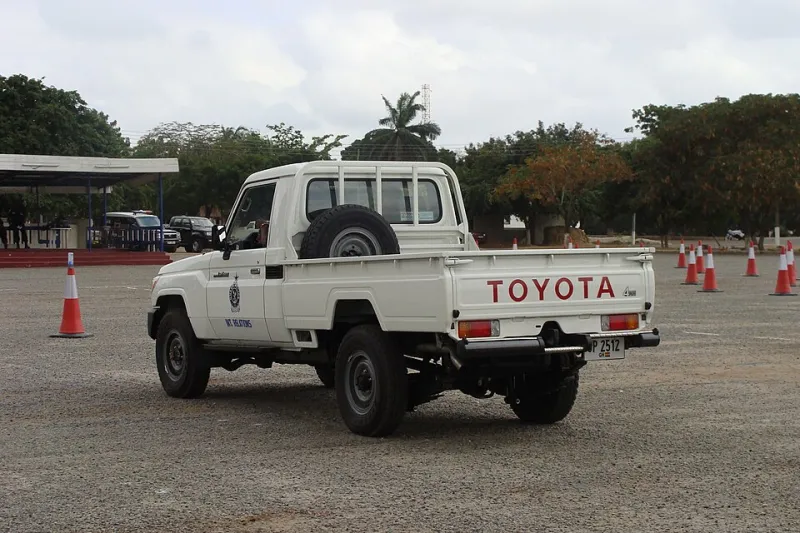
Photo: Dvermeirre, CC BY-SA 4.0, via Wikimedia Commons
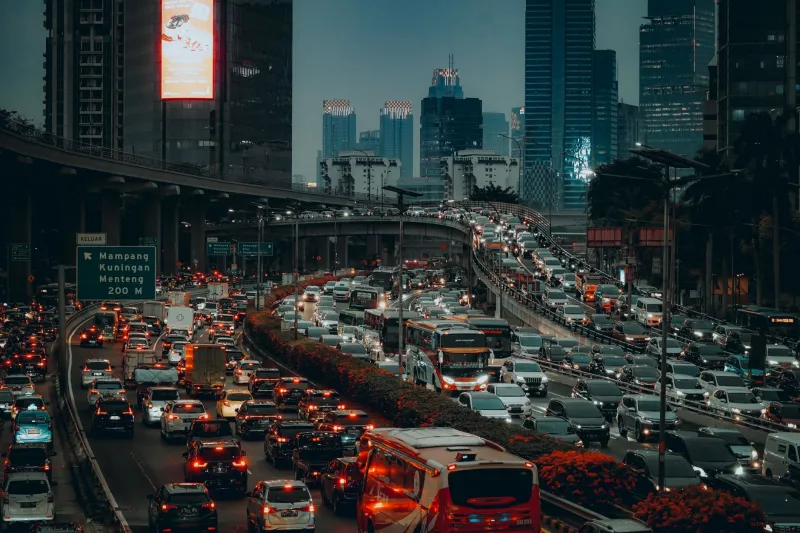
Most American Toyota owners have never heard of Bekasi, an industrial city east of Jakarta where humidity, traffic congestion, and some of the least forgiving road surfaces on earth have spent decades shaping how Toyota builds cars. But they've been driving the results for years. Global automakers quietly migrate solutions from their toughest markets into their global models, and Toyota's Indonesian operations — centered around Bekasi — have been an unusually productive source of them.
Below are seven features and design philosophies with roots in Bekasi's assembly lines and driver feedback that show up in Toyotas parked in American garages today.
1. Aggressive Underbody Corrosion Protection
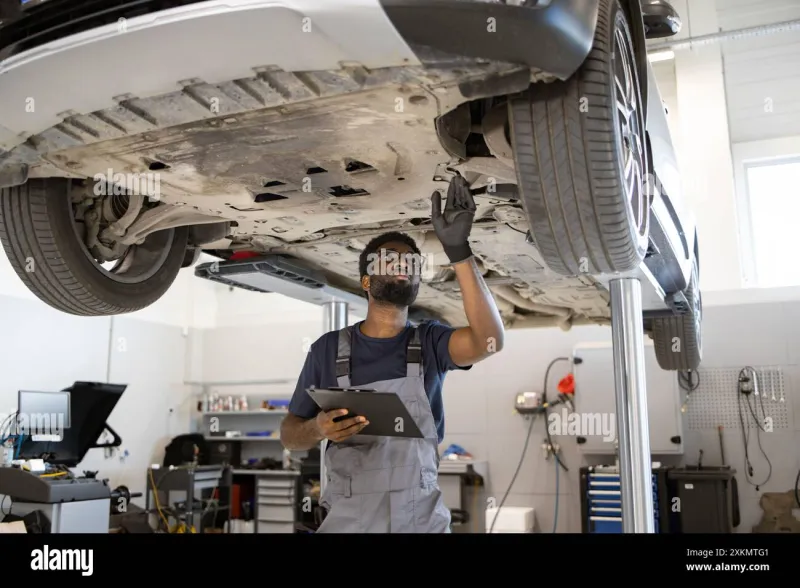
Indonesia's coastal humidity and seasonal flooding turned rust prevention from a nice-to-have into a survival requirement. Anti-corrosion coatings, drainage routing, and fastener material choices validated on Bekasi-built vehicles have informed underbody treatment across Toyota's global platforms. If your RAV4 sheds Midwest road salt with less drama than a 1990s sedan did, some of that tolerance was earned in the tropics.
2. Elevated and Simplified Wiring Harness Routing
Jakarta-area flooding famously pushed engineers to rethink how low electrical components sit in the chassis. Raising critical connectors, sealing harness junctions, and relocating control modules away from the lowest points of the floorpan became standard practice. American owners who've driven through a deep puddle and gotten away with it have Bekasi's flood history to thank.
3. Cabin Air Filtration Sized for Dust and Haze
Southeast Asia's dry-season haze and dense urban dust placed enormous demands on cabin filtration. High-capacity filter designs and easier-access filter housings — the reason you can swap a Camry's cabin filter in ten minutes without tools — were refined for markets where filters clog in weeks, not months.
4. Suspension Tuned for the Worst Roads First
Toyota's regional engineering philosophy is straightforward: build for the worst road you'll sell into, and the good roads take care of themselves. Damping curves and bushing compounds proven on Bekasi's patched, overloaded, and constantly re-surfaced streets have influenced ride calibration on global models. The slightly plush, durability-first ride feel of a Corolla or Avanza-descended platform is a direct product of this philosophy.
5. Heat-Hardened Climate Systems
An air conditioner in Bekasi works overtime nearly every day of the year. Compressor duty cycles, condenser sizing, and refrigerant line routing validated under constant tropical load have made Toyota climate systems notably more durable in Arizona and Texas, where American summers reproduce Bekasi's conditions for only a few months.
6. Dashboard Layouts Built Around Glare and Monsoon Light
Interior ergonomics validated in equatorial markets account for extreme glare, rapid light transitions, and rain-soaked visibility. High-contrast gauge graphics, glare-resistant screen coatings, and switch placement that can be operated without looking down all trace to driver feedback from markets where afternoon thunderstorms arrive with almost no warning.
7. The Feedback Loop Itself
Perhaps the most important import isn't a part at all — it's the process. Toyota's Indonesian operations feed real-world failure data from one of the planet's most demanding operating environments directly into global engineering. That loop is why small running changes appear mid-generation rather than at redesign: a revised gasket here, a relocated sensor there. American owners rarely notice these changes, but they're the reason a ten-year-old Toyota so often still feels sorted.
Why This Matters to a US Buyer
There's a practical takeaway beyond trivia. When you're comparing used Toyotas, or deciding whether a maintenance item is worth doing properly, it helps to know the design intent behind the machine. The corrosion protection, the sealed connectors, the oversized filtration — these aren't arbitrary. They're the output of a market that punishes neglect faster than any American state does.
It also reframes how you think about maintenance intervals. Features engineered in Bekasi were proven under conditions most US drivers will never encounter. Following the severe-service schedule in your owner's manual — the one most American owners skip — keeps the car within the envelope it was built for, with margin to spare.
Your Toyota may have been assembled in Kentucky, Georgetown, or Princeton. But pieces of its character were drafted in a city most Americans couldn't find on a map. That's not a marketing story. It's an engineering one — and it's why the badge on the grille means what it does.