Tropical Climate, Accelerated Damage: What Bekasi's Toyota Technicians Know About Humidity That American Drivers Don't
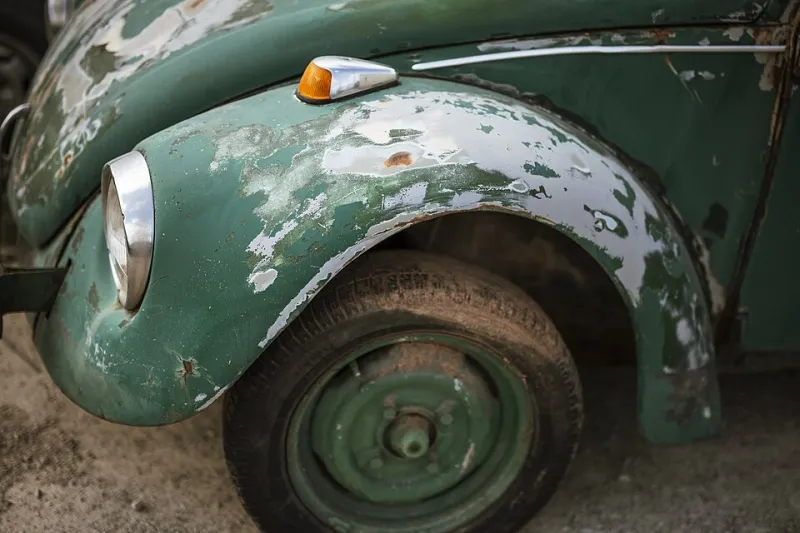
Photo: Shixart1985, CC BY 2.0, via Wikimedia Commons
Most American drivers associate vehicle rust with northern winters — road salt, snowmelt, and freezing temperatures eating through undercarriages across the Midwest and Northeast. But there is another corrosion story unfolding on the other side of the world, one that plays out faster, more aggressively, and with far fewer warning signs. In Bekasi, Indonesia, where relative humidity routinely sits above 80 percent and temperatures rarely dip below 75°F, Toyota service technicians deal with a completely different category of climate-driven damage — and the lessons they have learned apply directly to American owners who live in Florida, Houston, New Orleans, or anywhere along the Gulf Coast.
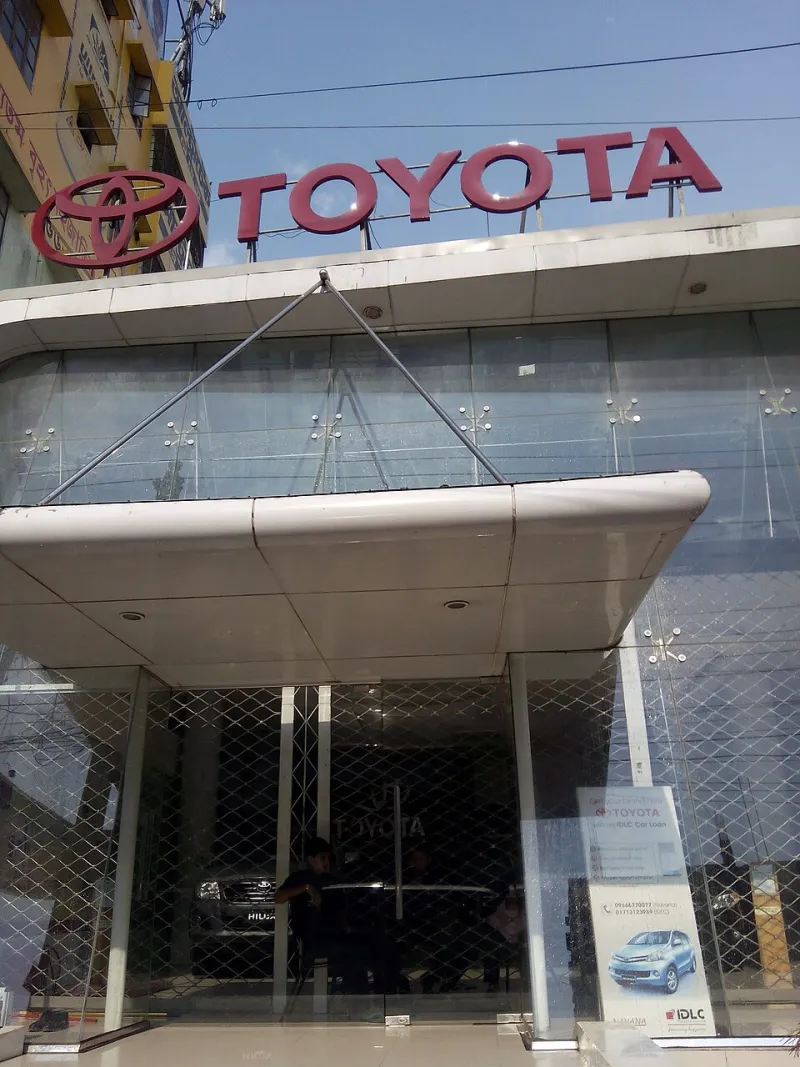
At Pusat Toyota Bekasi, one of the region's most established Toyota dealerships, service advisors track damage patterns across thousands of vehicles annually. What they observe year after year offers a detailed, data-informed picture of how tropical moisture dismantles a car from the inside out — and what disciplined maintenance can do to slow that process significantly.
Rust That Doesn't Wait for Winter
In temperate American climates, rust typically develops over years of seasonal exposure. In Bekasi's humidity, that timeline compresses dramatically. Moisture-laden air penetrates door seams, trunk channels, and undercarriage cavities continuously — not just during a rainy season, but every single day of the year. Surface oxidation that might take five years to become visible in Chicago can appear within eighteen months in Bekasi on an unprotected vehicle.
Toyota technicians at Pusat Toyota Bekasi apply underbody sealant coatings as a standard part of new vehicle preparation, not as an optional add-on. They also perform periodic inspections of drain holes located in door panels and rocker sills — small openings that, when blocked by debris or factory sealant residue, trap standing water and accelerate corrosion from within. American dealerships in high-humidity states rarely include this level of inspection in standard service intervals, yet the risk factors are often comparable in coastal regions.
Among Toyota's lineup, models with fully galvanized body panels — including several Camry and RAV4 configurations — demonstrate measurably better corrosion resistance in Bekasi's service records. Technicians note that vehicles arriving for service without factory-applied underbody protection show visible surface rust on suspension components within two to three years of purchase, particularly around brake bracket mounting points and rear axle housings.
Battery Degradation in Persistent Heat
Cold weather is widely understood to diminish battery performance, but sustained heat is equally destructive — and far less discussed in mainstream American automotive media. In Bekasi, where ambient temperatures remain elevated throughout the year, vehicle battery lifespan averages significantly shorter than manufacturer projections based on temperate-climate testing.
Heat accelerates the internal chemical reactions within lead-acid batteries, causing electrolyte evaporation and plate corrosion at an elevated rate. Pusat Toyota Bekasi service data consistently shows that conventional batteries in the Bekasi fleet begin exhibiting reduced cold-cranking performance within 18 to 24 months — well before the 48-to-60-month replacement window most American drivers expect. As a result, the dealership's service protocols include battery load testing at every major service interval, not just when a customer reports starting difficulty.
For American drivers in Phoenix, Miami, or similar heat-intensive environments, this is directly actionable intelligence. Waiting until a battery fails to replace it is a reactive strategy that humid, high-temperature climates punish with roadside breakdowns. Proactive testing at 18-month intervals, particularly for vehicles parked outdoors without shade, aligns with the preventative approach that Bekasi technicians have refined through necessity.
Toyota's absorbed glass mat (AGM) batteries, now standard in many Hybrid and newer ICE configurations, demonstrate substantially better heat tolerance in Bekasi's fleet data. The sealed design resists electrolyte loss under thermal stress, making AGM-equipped vehicles a measurably better long-term investment in tropical or semi-tropical ownership conditions.
Interior Deterioration: Mold, Adhesives, and Upholstery
Perhaps the least-discussed category of humidity damage is interior degradation — and it is among the most expensive to remediate. In Bekasi's climate, the combination of heat and moisture creates ideal conditions for mold colonization within HVAC systems, under carpeting, and behind door panel insulation. Vehicles that sit for extended periods without regular climate control operation are particularly vulnerable.
Pusat Toyota Bekasi technicians regularly service vehicles where evaporator coils have developed mold growth that circulates spores throughout the cabin during normal operation. Adhesive bonds holding headliner fabric to roof panels soften and release under prolonged thermal and moisture exposure, causing sagging that is both cosmetically and structurally problematic. Dashboard surfaces on older vehicles show accelerated UV and heat cracking that compounds when humidity causes plasticizers to migrate out of the material more rapidly.
The dealership's response to these patterns includes cabin air filter replacements at shorter intervals than factory recommendations, periodic HVAC system disinfection treatments, and the application of UV-protective interior dressings during routine service visits. These are not upsells — they are protocol adjustments driven directly by observed failure rates in the local fleet.
American owners in high-humidity states who experience musty odors from their HVAC systems are likely dealing with the same evaporator mold issue that Bekasi technicians address routinely. The fix is neither expensive nor complicated, but it requires a service provider who recognizes the symptom and addresses the root cause rather than masking it with cabin deodorizers.
Which Toyota Models Perform Best in Extreme Humidity
Based on Pusat Toyota Bekasi's long-term service history, certain models demonstrate notably stronger durability in tropical conditions. The Toyota Fortuner and Hilux — workhorses of the Southeast Asian market — are engineered with elevated ground clearance and suspension geometry that reduces underbody splash exposure. Their rust resistance in Bekasi's fleet data is consistently strong relative to lower-slung sedans.
Among passenger cars, the Camry's fully galvanized body structure and sealed electrical connectors contribute to better-than-average corrosion performance. The RAV4 similarly benefits from Toyota's global rust-proofing standards, which were significantly elevated following quality audits in the mid-2000s. Technicians note that pre-2005 Toyota models in the Bekasi fleet show substantially higher corrosion rates than post-2010 equivalents, reflecting meaningful improvements in factory corrosion protection.
For American buyers in coastal or humid-inland markets, these observations translate into practical guidance: prioritize models with documented galvanized body panels, consider dealer-applied underbody protection for vehicles intended for high-humidity environments, and follow service intervals calibrated to local climate conditions rather than defaulting to schedules designed for temperate zones.
The Broader Lesson From Bekasi
What makes Pusat Toyota Bekasi's approach instructive for American audiences is not the novelty of the problems — many of these degradation patterns exist in US markets — but the discipline with which those problems are anticipated and addressed. Tropical-climate servicing demands a proactive mindset that American dealerships in moderate climates have little structural incentive to develop.
For Toyota owners in high-humidity American markets, the takeaway is straightforward: your vehicle faces a more aggressive operating environment than standard maintenance schedules assume. Shorter battery test intervals, underbody inspections, HVAC system maintenance, and rust-proofing are not optional enhancements in humid climates. They are the baseline that Bekasi's technicians treat as non-negotiable — and the difference in long-term vehicle condition shows in every inspection bay at Pusat Toyota Bekasi.