300,000 Miles and Still Going: The Ownership Philosophy Indonesian Toyota Drivers Practice That America Has Yet to Discover
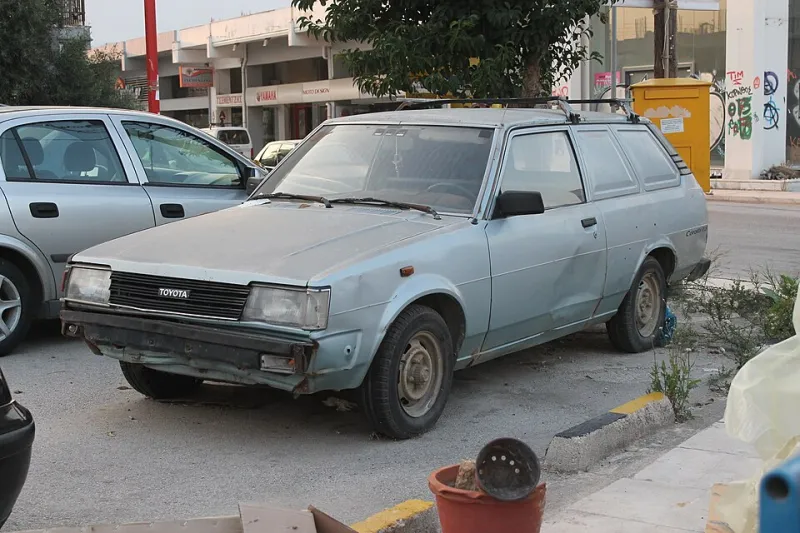
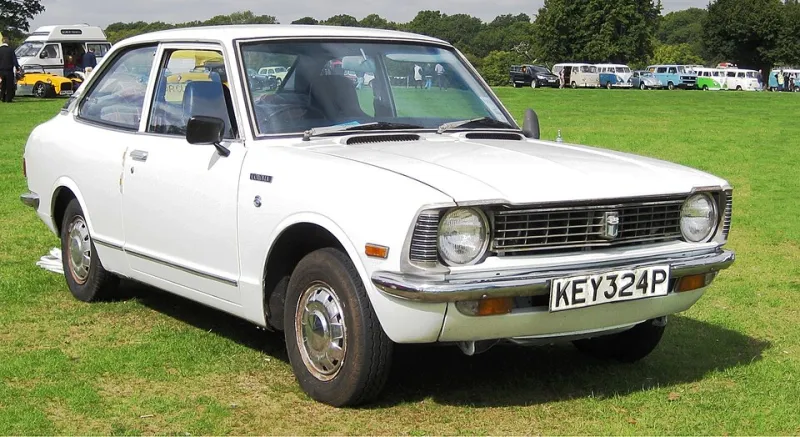
Photo: Charlie from United Kingdom, CC BY 2.0, via Wikimedia Commons
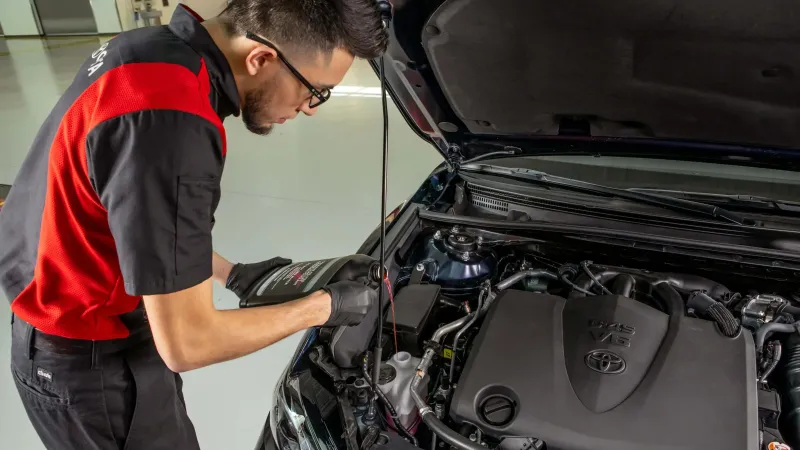
Walk into the service bays at Pusat Toyota Bekasi on any given weekday morning, and you will encounter something that would turn heads at most American dealerships: vehicles with odometer readings that climb past 250,000 and 300,000 kilometers—sometimes much further—brought in not because something has gone catastrophically wrong, but because their owners are simply following a schedule. These are not collector cars or sentimental projects. They are daily drivers, family haulers, and small-business workhorses that have been maintained with an almost ritualistic consistency.
For American drivers accustomed to trading in a vehicle every three to five years, this reality seems distant. Yet the gap between what Indonesian Toyota owners achieve and what American owners typically settle for has very little to do with the vehicles themselves. Both groups are often driving the same fundamental platform. The difference lives almost entirely in philosophy.
The Disposable-Car Mentality and Its Hidden Costs
The United States has, over several decades, cultivated a car culture built around convenience and novelty. Manufacturers and dealerships have both benefited from a cycle in which ownership periods grow shorter, financing terms stretch longer, and the emotional appeal of a new model overrides the rational case for maintaining the one already sitting in the driveway. According to data from automotive research firms, the average American now keeps a new vehicle for roughly seven years—a figure that sounds reasonable until you consider that a well-maintained Toyota Camry or Hilux is, from an engineering standpoint, capable of performing reliably for fifteen to twenty years or more.
The hidden cost of this cycle is not merely financial, though the numbers are significant. It is also a loss of mechanical intimacy. When a driver replaces a vehicle every few years, they never develop the layered understanding of its particular quirks, its seasonal needs, its early warning signals. They remain perpetual strangers to their own machines.
What Bekasi Teaches About Relationship-Based Ownership
In Bekasi, economic realities have historically made frequent vehicle replacement impractical for a large portion of the population. This constraint, rather than limiting drivers, produced something valuable: a deeply personal relationship between owner and vehicle. Drivers here learn their cars the way a craftsman learns a tool—not just what it does, but how it sounds when something is slightly off, how it responds after the rainy season, how it behaves after extended idling in traffic.
This knowledge does not arrive through formal instruction. It is passed between generations, reinforced by tight-knit communities of owners, and deepened by consistent interaction with service technicians who often know a specific vehicle's history across many years. At Pusat Toyota Bekasi, it is not unusual for a service advisor to reference maintenance records stretching back a decade or more. That continuity of documentation and relationship is, in many ways, the backbone of long-term vehicle health.
The Specific Practices That Separate 150,000-Mile Cars from 300,000-Mile Cars
Beyond philosophy, there are concrete, repeatable practices that Bekasi's long-mileage Toyota owners follow with a consistency that American drivers rarely match.
Interval discipline without exception. Oil changes, transmission fluid flushes, coolant replacements, and timing belt services happen on schedule—not when it becomes convenient, not when the dashboard warning light finally appears. Indonesian owners in high-use environments understand that the cost of a missed interval compounds silently over time.
Genuine parts as a non-negotiable standard. In markets where aftermarket components can appear superficially identical to OEM parts while being significantly inferior in material quality, experienced owners have learned through hard experience to insist on Toyota-certified components. This is not brand loyalty for its own sake. It is a calculated decision based on observed outcomes across large numbers of vehicles.
Proactive attention to fluids beyond engine oil. Brake fluid, power steering fluid, differential fluid, and coolant each have service windows that American drivers frequently ignore or delay. In Bekasi's demanding stop-and-go traffic and high-humidity environment, neglecting these systems accelerates wear in ways that only become visible—and expensive—much later.
Tire rotation and alignment treated as essential, not optional. Uneven tire wear places additional stress on suspension components, wheel bearings, and steering geometry. Owners who rotate and align regularly are, in effect, protecting systems far more expensive than the tires themselves.
Listening before diagnosing. Perhaps the least quantifiable but most important practice is the habit of paying attention. Bekasi's long-mileage owners tend to notice and address small changes in vehicle behavior—a faint new vibration, a slightly longer brake pedal travel, an unusual cold-start sound—before those changes escalate into failures.
Can American Drivers Adopt This Mindset Without a Crisis Forcing Them To?
The honest answer is yes, but it requires deliberate effort against a current that runs in the opposite direction. American car culture is saturated with messaging that frames vehicle replacement as a reward, an upgrade, a symbol of progress. Choosing instead to invest in the machine you already own demands a reorientation that most marketing channels will not support.
There are practical entry points. Establishing a relationship with a single service center—rather than chasing the cheapest oil change coupon across three different shops—creates the continuity of records and familiarity that underpins long-term vehicle health. Requesting and retaining complete service documentation builds the kind of maintenance history that not only protects the vehicle but also commands a measurably higher resale price when the time does eventually come to sell.
Setting calendar reminders for every fluid and filter interval, rather than relying on dashboard indicators alone, replicates the interval discipline that Bekasi's experienced owners practice intuitively. And perhaps most importantly, resisting the psychological pull of the new-model cycle—asking instead what this vehicle still has to offer with proper investment—is a mental shift that pays dividends in reduced financing costs, lower insurance premiums, and the accumulated mechanical knowledge that only comes with extended ownership.
The 300,000-Mile Toyota Is Not a Myth
It is a predictable outcome of a specific set of decisions made consistently over time. The engineering that makes it possible is already present in every Toyota sold in the United States. What Bekasi's drivers have developed, through necessity and tradition, is the ownership culture that allows that engineering to fully express itself.
The vehicles are the same. The roads are different. The habits are learnable. The only question is whether American drivers are willing to trade the short-term appeal of the next new model for the longer-term satisfaction of a machine that simply refuses to quit.